



Oxidised vs Sterling Silver Jewellery: What Should You Really Buy?

When choosing silver jewellery, the biggest confusion often lies between oxidised and sterling silver. If you’re planning to invest in 925 sterling silver jewellery, it’s important to understand how it differs from oxidised styles so you can make a smart, lasting purchase.
Both types are popular, stylish, and widely available - but they serve very different purposes depending on your lifestyle, fashion preferences, and maintenance habits. Let’s simplify the decision for you.
What is Sterling Silver Jewellery?
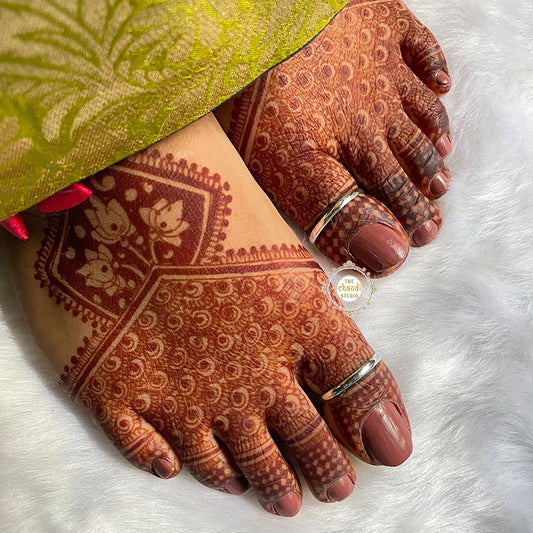
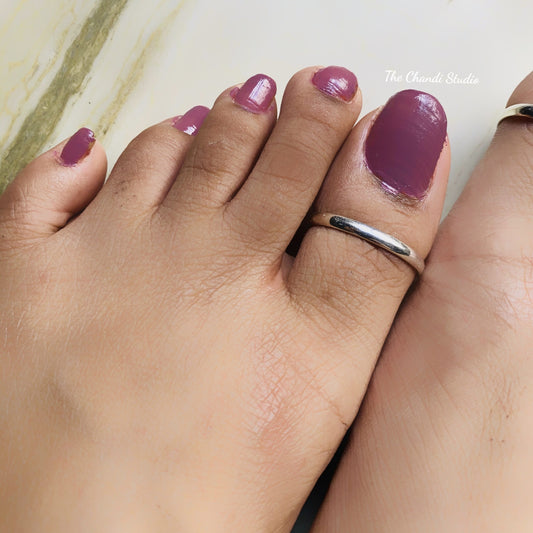
Sterling silver, commonly marked as 925, contains 92.5% pure silver mixed with a small percentage of other metals like copper to improve durability.
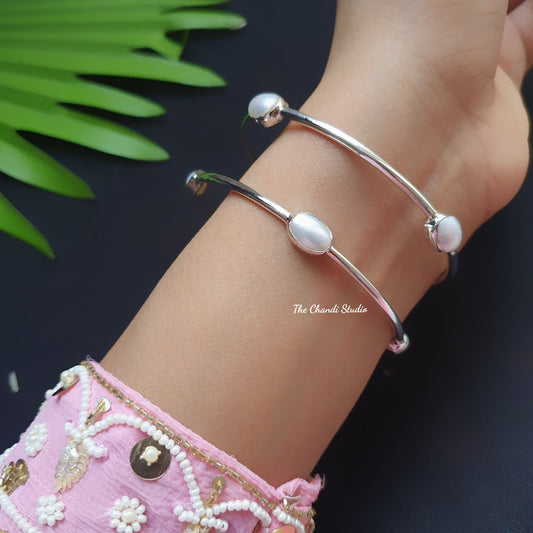
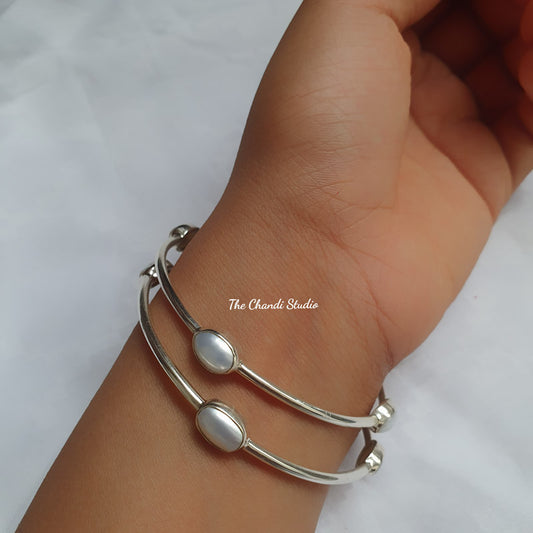
This makes it strong enough for everyday wear while retaining its bright, polished shine. Sterling silver is often associated with modern, elegant, and minimal jewellery styles.
Key Features:
-
Bright, reflective finish
-
Durable and long-lasting
-
Suitable for daily wear
-
Can be polished easily
If you love timeless pieces that pair well with both western and ethnic outfits, sterling silver is a reliable choice.
What is Oxidised Silver Jewellery?
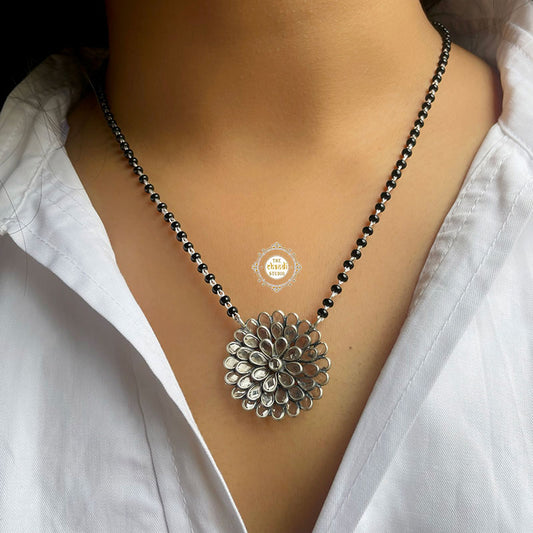
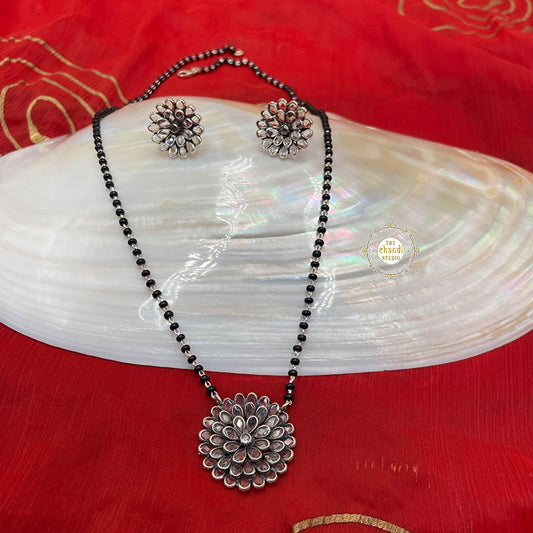
Oxidised silver jewellery is not a different type of silver - it is usually sterling silver that has been chemically treated to create a dark, antique finish.
This process adds depth and enhances intricate designs, making oxidised jewellery especially popular in traditional and bohemian fashion.
Key Features:
-
Dark, matte or antique finish
-
Highlights detailed craftsmanship
-
Low maintenance appearance
-
Perfect for ethnic and statement looks
It’s ideal if you prefer bold, artistic jewellery that stands out.
Key Differences You Should Know
Understanding the real difference is essential before buying. Here’s a simplified comparison:
1. Appearance
Sterling silver is shiny and polished, while oxidised silver has a darker, vintage look.
2. Maintenance
Sterling silver requires regular cleaning to maintain shine. Oxidised jewellery, on the other hand, is designed to look aged and needs minimal polishing.
3. Durability
Both are made from similar base material, but sterling silver is better for everyday wear due to its clean finish and versatility.
4. Styling
Sterling silver suits modern and minimal aesthetics, whereas oxidised jewellery complements ethnic and fusion outfits.
Which One Should You Choose?
This is where your personal style matters most.
Choose sterling silver if:
-
You want everyday jewellery
-
You prefer a polished, elegant look
-
You need versatile pieces
Choose oxidised silver if:
-
You love traditional or boho styles
-
You want statement jewellery
-
You prefer low-maintenance finishes
A well-informed silver jewellery buying guide always recommends having both in your collection for different occasions.
Price & Value Comparison
Sterling silver jewellery is generally priced higher due to its finish, versatility, and long-term usability. Oxidised jewellery may sometimes be more affordable, but the value depends on craftsmanship and design.
It’s also important to check authenticity - look for the 925 hallmark to ensure you’re buying genuine sterling silver.
Care Tips for Both Types
-
Store in a dry, airtight container
-
Avoid exposure to moisture and chemicals
-
Clean sterling silver regularly to maintain shine
-
Avoid over-polishing oxidised pieces to preserve their finish
Proper care ensures both types last longer and retain their beauty.
Final Verdict
There’s no one-size-fits-all answer. Sterling silver offers timeless elegance and durability, while oxidised jewellery delivers bold, artistic appeal. Your choice should depend on how and where you plan to wear your jewellery.
If you’re looking to build a versatile collection, investing in 925 sterling silver jewellery alongside a few oxidised statement pieces is the smartest approach. Brands like The Chandi Studio offer thoughtfully designed collections that cater to both styles, helping you find jewellery that truly matches your personality.
FAQs
1. Is oxidised silver real silver or fake?
Oxidised silver is real silver, usually made from sterling silver that has been chemically treated to create a dark finish. It is not fake but simply altered in appearance. The base metal remains genuine, making it a stylish and authentic jewellery option.
2. Which is better for daily wear: oxidised or sterling silver?
For daily wear, 925 sterling silver jewellery is usually the better option because of its polished finish and durability. It can be easily cleaned and maintained, making it suitable for regular use, while oxidised jewellery is more suited for occasional or statement wear purposes.
3. Does oxidised silver fade over time?
Yes, oxidised silver can fade gradually with use as the darkened layer wears off, revealing the original silver beneath. This is a natural process and not damaging. Many people appreciate this evolving look, as it adds character and uniqueness to the jewellery over time.
4. How do I choose between oxidised and sterling silver jewellery?
A good silver jewellery buying guide suggests choosing based on your style and usage. If you prefer everyday elegance, go for sterling silver. If you love bold, ethnic, or artistic designs, oxidised jewellery is the better choice for making a fashion statement.
5. Is sterling silver more expensive than oxidised jewellery?
Sterling silver jewellery is generally more expensive due to its finish, durability, and versatility. However, pricing also depends on design and craftsmanship. Both types can offer good value, so it’s best to choose based on your style preference and how often you plan to wear it.